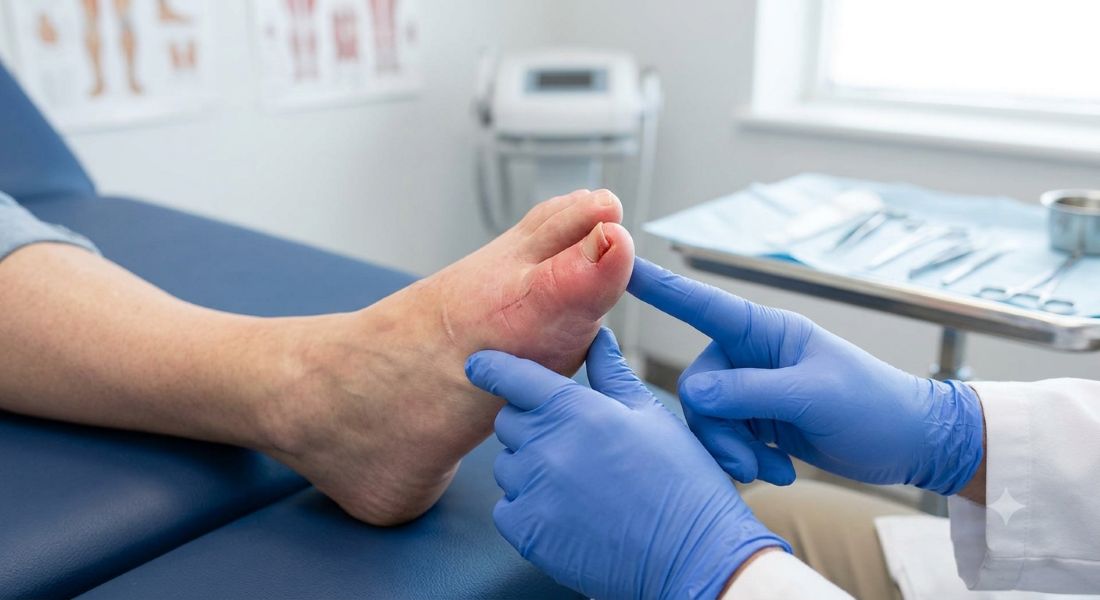
"Doctor, my toenail was treated, so why is it painful again?" This is one of the most common worries patients share after a toenail procedure. It is a fair question, and the answer is usually simple.
An ingrown toenail can return when a small part of the nail root is left active, when the nail shape stays the same, or when daily habits keep pressing the nail into the skin. It does not always mean something went wrong. Let us go through it step by step, in plain language, so you know what is happening in your toe and what to do next.
Why Is the Same Toe Hurting Again Months After the Procedure?
The nail grows from a hidden root under the skin. If that root is still working, or the pressure on the toe has not changed, the problem can come back.
The nail plate was removed, but the matrix remained
Your nail has two parts:
- Nail plate: the hard, visible part that you trim.
- Nail matrix: the hidden root at the base of the nail. It keeps making new nail.
If only the painful edge of the nail is removed, the matrix keeps working. The nail grows back, often with the same edge and the same problem.
A tiny piece of nail was left behind
Sometimes a very small sliver of nail, called a spicule, stays under the skin fold. It is too small to see, but it pokes the skin like a splinter. This can happen when:
- The nail edge was deeply curved
- The skin fold was very swollen at the time of the procedure
- The corner of the matrix at the side was not fully treated
Your toe shape and nail shape matter
Some people have nails that curve strongly inward at the sides. Others have thick nails, wide toes, or extra skin along the nail edge. If this shape stays the same, the nail can dig in again.
Footwear and trimming habits keep the problem alive
These everyday habits are common triggers:
- Tight, narrow, or pointed shoes
- Socks that squeeze the toes
- Cutting nails in a curve or too short
- Picking or tearing the nail corners
- Long hours in closed shoes with sweaty feet
Does This Mean My First Surgery Failed?
Not always. It depends on which procedure was done and what kind of regrowth you are seeing.
Temporary nail removal (avulsion)
Here, the painful part of the nail is taken out, but the root is not treated. The nail grows back in a few months, often in the same shape. This is a short-term fix. It may not be enough if the problem has happened many times.
Matrixectomy (permanent correction)
Here, the root at the troublesome side of the nail is treated, often with a chemical such as phenol, or with other methods. The nail becomes slightly narrower, but the ingrowing edge usually stops.
This gives better long-term results, but it is not 100% guaranteed. A tiny bit of root can survive and grow a thin strip of nail again.
Normal regrowth vs true recurrence
| Normal regrowth | True recurrence |
| Nail grows slowly over months | Pain returns at the same nail edge |
| Nail looks fairly normal | Redness and swelling come back |
| No repeated pain or infection | Pus, bleeding, or extra tissue appears |
| Nail edge sits above the skin | A sharp edge digs into the skin |
A big toenail takes about 12 to 18 months to grow out fully. So seeing new nail is normal. Pain and swelling from that new nail are not.
What Do Pain, Swelling and Pus Near the Nail Mean?
When an ingrown nail returns, symptoms usually appear in a pattern. Knowing it helps you act early.
Pain
A sharp, tender pain along the nail edge, especially when you press the toe or wear shoes. This is the first sign that the nail is pressing into the skin.
Swelling and redness
The skin beside the nail turns puffy, warm, and red. The toe feels tight inside the shoe.
Pus or discharge
A yellow or foul-smelling fluid means germs have entered through a tiny cut. This is an infection and needs a doctor's attention.
Granulation tissue
A soft, red, fleshy lump may form beside the nail. It bleeds easily. This is the body's attempt to heal, but it cannot heal while the nail keeps pressing in.
Nail spike
A sharp edge of nail, visible or hidden, digs into the skin fold. This is often the root cause behind all the earlier signs.
Signs that need quick medical attention
- Redness spreading up the toe or foot
- Fever or chills
- Throbbing pain that keeps increasing
- Numbness or colour change in the toe
- Any of these symptoms in a person with diabetes or poor blood circulation
People with diabetes should not wait. Even a small toe infection can turn serious.
Will I Need Surgery Again If It Comes Back?
Not everyone does. It depends on how severe the symptoms are and what was done the first time.
When treatment without surgery may be enough
- Mild pain and redness without pus
- No fleshy lump
- A nail that can still be gently lifted and guided
- Symptoms that settle with warm soaks, proper trimming, and better footwear
In mild cases, doctors may also use antibiotics for infection, or gently place cotton or a small splint under the nail edge.
When repeat treatment is usually advised
- Repeated infections
- A lump of granulation tissue that does not go away
- A clear nail spike causing pain
- A return of the problem after only a temporary nail removal
Partial vs total matrix treatment
- Partial matrix treatment: Only the side causing trouble is treated. The rest of the nail is kept. This is the most common choice.
- Total matrix treatment: The whole nail root is treated so the nail does not grow back. This is usually kept for cases where both sides are involved, the nail is badly deformed, or the problem has returned many times.
What if it has come back more than twice?
Repeated recurrence means the cause needs a closer look. Doctors may check for:
- Fungal nail infection
- Very thick or deformed nails
- Toe bone shape problems
- Diabetes or poor circulation
- A missed piece of nail root
If you are looking into nail surgery in Kolkata or anywhere else, it helps to ask which type of root treatment is planned and how the chance of recurrence is handled.
What to expect after repeat treatment
- Mild soreness for a few days
- Some clear or yellowish discharge for 2 to 4 weeks
- Regular dressing changes
- A narrower nail once healed, which is normal
How Can I Stop It From Coming Back?
Good treatment and good daily habits work together. No method gives a lifetime guarantee, but these steps reduce the chances a lot.
Trim your nails the right way
- Cut straight across
- Do not round the corners
- Leave a small white edge; do not cut too short
- Do not dig into the sides of the nail
Choose the right footwear
- Pick shoes with a wide toe box
- Avoid pointed or very tight shoes
- Keep a thumb's width of space beyond your longest toe
- Wear clean, dry cotton socks
Keep the area clean and dry
- Wash your feet daily and dry between the toes
- Change socks if they get damp
- Treat sweaty feet and fungal infections early
Protect your toes
- Avoid stubbing or crushing injuries
- Wear proper shoes for sports and running
- Do not pick or peel the nail
Follow up after the procedure
- Complete all dressing changes and follow-up visits
- Report pain, pus, or a growing lump early
- Mention it if a nail edge starts growing again
When to see a doctor again
- Pain lasting more than a few days
- Repeated redness at the same corner
- Any discharge or bleeding
- A nail edge that seems to press into the skin
Early review often means simpler treatment.
Caring for Your Toes After Surgery
An ingrown toenail that returns after surgery is frustrating, but it has clear reasons and clear solutions. In most cases, the cause is a partly treated nail root, a small nail spike, the shape of the nail, or daily habits that keep pressing on the toe.
With the right treatment and a few simple habits, most people go on to walk, exercise, and wear shoes comfortably again. If your toe is painful, keeps returning, or shows signs of infection, getting it examined by a qualified doctor is a good step.
Author:
Dr. Oindrila Dutta
Consultant Dermatologist and Dermatosurgeon
MBBS (Gold Medalist)
MD in Dermatology
International Fellowship in Aesthetic & Laser Dermatology (DIAS, ASI-Australia)
Frequently Asked Questions
1. Can an ingrown toenail come back after surgery?
Yes, it can. It is more likely if only the nail was removed and the root was not treated, or if a small piece of root is still active. Tight shoes and wrong nail cutting can also bring it back.
2. How long does a toenail take to grow back after ingrown toenail surgery?
A big toenail can take 12 to 18 months to grow back fully. If the root was treated, the nail may come back narrower, or may not grow at the treated edge.
3. Is it normal to have pain and pus after ingrown toenail surgery?
Mild soreness and some clear or yellowish fluid for 2 to 4 weeks is common. Increasing pain, foul-smelling pus, spreading redness, or fever is not normal and needs a doctor's check-up.
4. Can ingrown toenail surgery be done again if it comes back?
Yes. Repeat treatment is possible and often successful. Doctors may treat the root at the affected side, or the whole root in tougher cases, so the nail stops growing there.
5. What is the best way to stop an ingrown toenail from coming back?
Cut your nails straight across, wear shoes with enough toe room, keep your feet clean and dry, and avoid picking at the nail. If pain or redness returns, get it checked early instead of waiting.
This blog is for general educational purposes only. It is not a substitute for professional medical advice, diagnosis, or treatment. Every person's condition is different, so please consult a qualified surgeon for advice about your own health.
Ready to Transform Your Skin Health?
Take the first step towards a radiant, healthy skin with expert care from Dr. Oindrilla Dutta. Book your consultation today and discover personalized solutions for all your dermatological needs!

Recent Post
-
 October 07, 2026
Skin Looking Dull & Dehydrated? Know What Skin Boosters Can Do
-
September 28, 2026
Why Does My Ingrown Toenail Keep Coming Back After Surgery?
-
 September 21, 2026
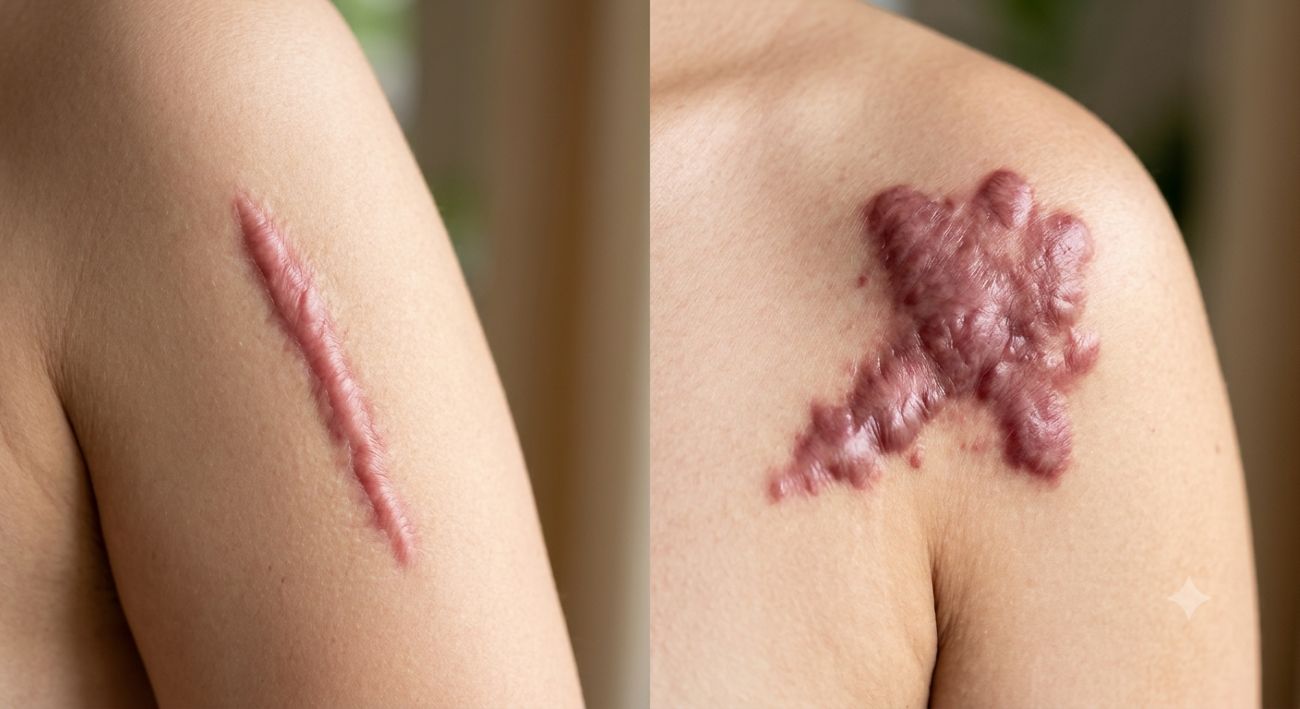
Not Every Raised Scar Is a Keloid: Know the Difference