South Kolkata
Skin and hair concerns rarely wait for a convenient time. Whether it is stubborn acne before an event, sudden hair fall, or pigmentation that has been bothering you for months, most patients want clear answers and a dermatologist who takes the time to actually examine what is going on, rather than a quick fix. Many people delay a visit simply because they are unsure which concerns need a doctor and which don’t.
This page is meant to help you understand the concerns treated and diagnosed, and how to plan a consultation. As with any medical guidance, individual results may vary, and it is always recommended to get a personalised assessment before starting any treatment.
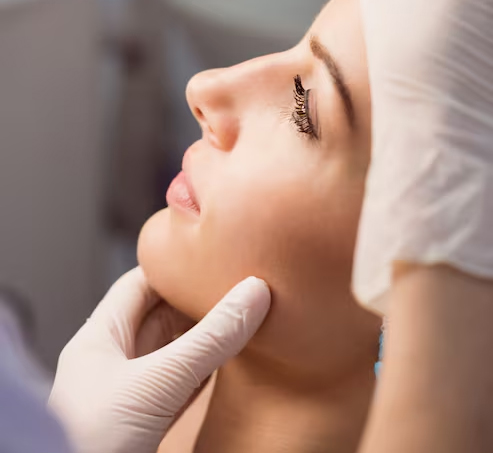
Dermatology is rarely a one-time visit. Conditions like acne, eczema, melasma, pigmentation, or hair fall often need review over a few sessions, so travelling across the city for routine visits, or for follow-ups after a laser or aesthetic procedure, is not practical. This is why patients look for a dermatologist near Garfa, Kasba, Kalikapur, Bijoygarh, and Katju Nagar, as well as newer developments like Ballygunge, Lake Gardens, Golf Green, Tollygunge, Rash Behari, and the area around South City Complex.
Proximity plays a big role in whether patients can stay consistent with a treatment plan, which is worth keeping in mind when planning a personalised assessment before starting any treatment. Below are a few dermatological concerns and treatments to be aware of before your consultation.
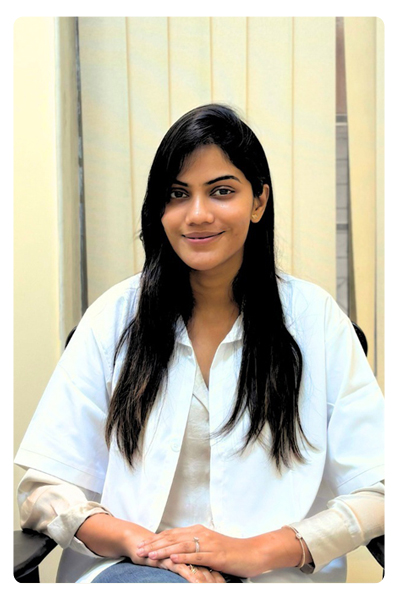
Patients walking in from across South Kolkata usually come in with one or more of the following concerns:
When to consider it: For active breakouts or recurring acne that needs clinical evaluation, and separately, for marks or scarring left behind once breakouts are under control.
How it’s done: Active acne is managed through clinical assessment to identify the trigger, followed by topical or in-clinic treatment. Scarring is addressed separately, often through techniques such as microneedling or laser resurfacing, chosen based on scar depth and type.
When to consider it: Hair thinning can have different causes such as hormonal changes, nutritional gaps, scalp infections, or stress, so these are usually checked first. If the thinning isn’t linked to something needing separate treatment, PRP is considered to support the scalp’s natural regrowth. It’s sometimes considered for skin rejuvenation too.
How it’s done: A concentration of platelets is drawn from the patient’s own blood and reintroduced into the scalp or skin to support the body’s natural repair process. Since it uses the patient’s own blood, suitability is assessed individually before starting.
When to consider it: For patches that have remained stable for at least 12 months and haven’t responded to creams or phototherapy.
How it’s done: Healthy, pigment-producing cells (melanocytes) are transplanted from an unaffected part of the body to the depigmented patch, gradually restoring a blended skin tone over time.
When to consider it: For uneven skin tone, acne marks, tanning, sun damage, persistent dullness, enlarged pores, or mild melasma that hasn’t improved with topical skincare.
How it’s done: Low-fluence Q-switched Nd:YAG laser energy targets melanin clusters beneath the skin’s surface without damaging it, while also stimulating collagen remodelling. It’s non-ablative, meaning there’s no peeling or open wound involved.
When to consider it: For recurring ingrown toenails, thickened or fungal-damaged nails, persistent nail bed infections, or nail deformities that haven’t improved with medication or home care.
How it’s done: Performed as a minor in-clinic procedure under local anaesthesia, it involves removing the affected part of the nail or treating the nail bed directly to relieve pain and reduce recurrence.
When to consider it: Suited to patients looking to reduce hair growth in a targeted, longer-term way rather than through repeated temporary methods.
How it’s done: Laser energy targets the hair follicles, with the plan built around skin tone and hair density rather than applied uniformly. Most patients need multiple sessions spaced a few weeks apart, since hair grows in cycles and not all follicles are active at once, session count is discussed upfront to keep expectations realistic.
When to consider them: Botox is considered for expression lines such as forehead creases, crow’s feet, or frown lines. Fillers are considered when cheeks, lips, or under-eyes have lost volume or fullness.
Types: Fillers come in a few forms such as hyaluronic acid-based (the most common, moisture-binding type), calcium-based, and collagen-stimulating fillers, each suited to different areas and goals.
How they’re done: Botox is injected to temporarily relax specific facial muscles, softening the lines they create. Fillers are injected beneath the skin to restore lost volume. Both are quick, in-clinic procedures, with dosage and placement planned around facial structure and movement.
When to consider it: For early sagging, softening jawline definition, neck laxity, or skin that has started losing firmness, in patients not looking for a surgical option.
How it’s done: Focused ultrasound energy is directed beneath the skin’s surface to the deeper tissue layer, generating controlled heat that triggers the skin’s own collagen-building response over time. The treatment is needle-free, with no cuts involved.
When to consider it: For oily or acne-prone skin, blackheads, enlarged pores, dullness, or mild acne marks, especially when a quick refresh is wanted with no downtime.
How it’s done: A layer of medical-grade liquid carbon is applied to the skin. Once it settles into the pores, a laser is passed over it, targeting and lifting the carbon along with trapped oil and dead skin, while also stimulating collagen.
When to consider it: Suited to mild to moderate facial sagging, for patients not yet ready for surgical intervention who want to address early signs of sagging.
How it’s done: Dissolvable threads are inserted under the skin to create a temporary lifting effect. Since the threads dissolve over time, the effect is temporary, and suitability is confirmed on examination.
When to consider it: When a wart, mole or skin tag causes irritation from rubbing against clothing or jewellery, affects comfort or confidence, or shows a change in size, shape, or colour.
Types: Removal methods include cryotherapy, electrocautery, and laser ablation, chosen based on the growth’s type, size, and location.
How it’s done: The growth is assessed first, then removed using the most suitable method above, targeting it at the base to reduce the chance of it returning.
When to consider it: Suited to mild to moderate facial sagging, for patients not yet ready for surgical intervention who want to address early signs of sagging.
How it’s done: Dissolvable threads are inserted under the skin to create a temporary lifting effect. Since the threads dissolve over time, the effect is temporary, and suitability is confirmed on examination.
Not every treatment suits every patient. Aesthetic and laser procedures are offered only after reviewing skin type, medical history, and the specific concern, and realistic expectations are discussed before any plan is finalised. For hair loss in particular, since alopecia is a condition that needs careful evaluation, the consultation focuses on identifying the underlying cause first, rather than recommending a fixed treatment upfront. As with any dermatology procedure, individual results may vary.
As Skincare is not a one time game and neither is hopping from one cream to another. If your acne, pigmentation or skin problems are hindering your daily work or you simply wish to undergo aesthetic enhancements for a youthful appearance always consider consultation first, Remember skin science requires utmost care and not any random treatment.
Care for your skin and glow from within!
Book an AppointmentYes, patients from Jodhpur Park and surrounding areas consult Dr. Dutta for both routine skin issues and aesthetic concerns. A first visit typically includes a detailed skin or scalp evaluation.
Acne treatment depends on severity and skin type. It may include topical care, in-clinic procedures, or a combination of both. Individual results may vary, and a treatment plan is only finalised after examination.
The number of sessions depends on hair density, area, and skin type. This is discussed during the consultation rather than fixed in advance, since it differs from patient to patient.
Disclaimer: This content is for general educational purposes only and does not constitute medical advice. Outcomes vary between individuals. Please consult your treating doctor for a personalised assessment before starting any treatment.