When Skin Loses Colour, It Shouldn’t Take Away Confidence
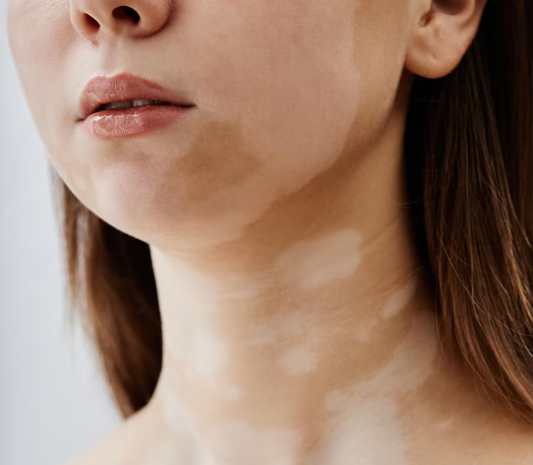
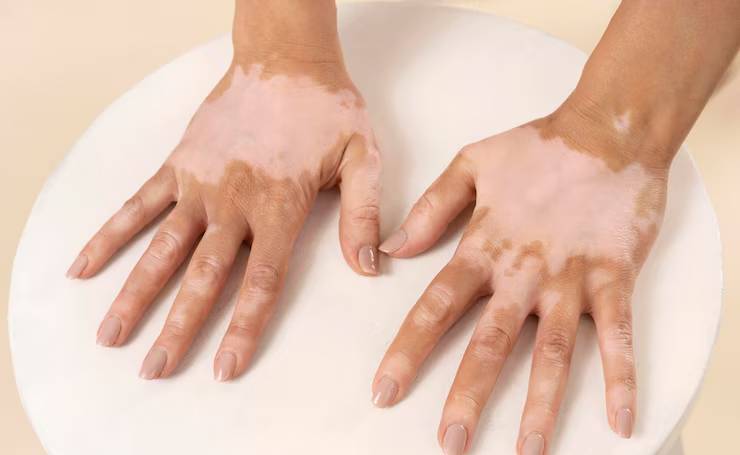
Living with vitiligo can cause emotional turmoil within. Uneven skin patches may invite curious glances or unsolicited comments, even though they’re medically harmless. While many embrace their skin proudly, some may seek to restore lost pigment—especially if the patches are spreading or feel hard to hide.
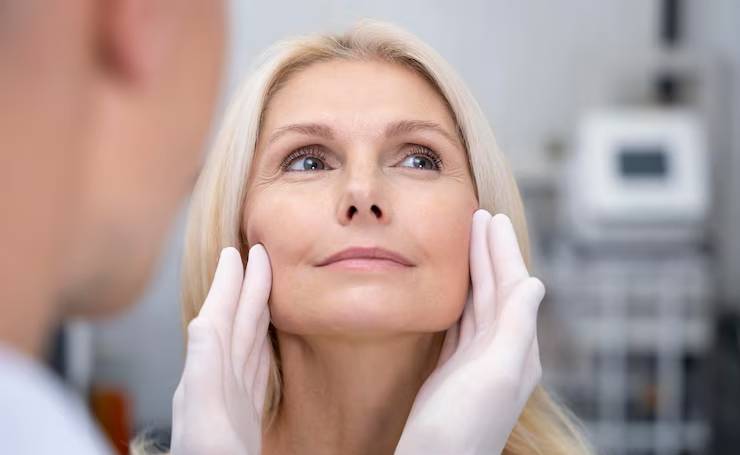
Vitiligo surgery is a medically guided way to regain uniformity in skin tone when other treatments fall short. It’s not about covering up—it’s about giving you the choice to feel more like yourself in your skin.
Did You Know?
Vitiligo affects about 1–2% of the global population—and surgery is most effective on stable, non-spreading patches that haven’t changed in a year.
What Is Vitiligo Surgery?
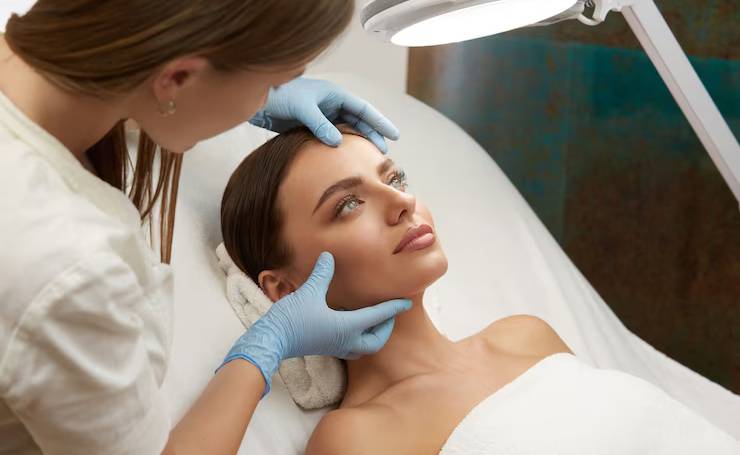
Vitiligo surgery is a dermatological procedure designed to reintroduce pigment to depigmented skin areas. It’s usually recommended when:
- The condition has remained stable for at least 12 months
- Medical treatments like creams or phototherapy haven’t worked
- The patches are small to moderate in size
- The person is physically and emotionally ready for the procedure
The goal is to transfer healthy pigment cells (melanocytes) from one part of the body to the affected area, restoring a natural, blended tone over time.
Who Should Avoid Surgery?
Surgery may not be suitable if your vitiligo is spreading, triggered by autoimmune conditions, or if you have a tendency to form thick scars (keloids). In such cases, your dermatologist may recommend non-surgical approaches first before considering surgery as a safe option.
Types of Dermatological Vitiligo Surgery
Depending on your skin type, extent of depigmentation, and treatment goals, your dermatologist may recommend:
- Punch Grafting: Small pieces of pigmented skin are transplanted into the depigmented area.
- Blister Grafting: The skin’s top layer is gently blistered and transferred to affected skin.
- Suction Grafting: Similar to blister grafting, but uses suction to prepare the donor area.
- Non-Cultured Melanocyte Transfer: A more advanced option where pigment cells are separated and spread over a prepared area for a smoother result.
Each procedure is safe, outpatient-based, and typically done under local anaesthesia.
Ready to Transform Your Skin Health?
Take the first step toward a radiant, healthy skin with expert care from the best dermatologist in Kolkata, Dr. Oindrila Dutta. Book your consultation today and discover personalized solutions for all your dermatological needs!