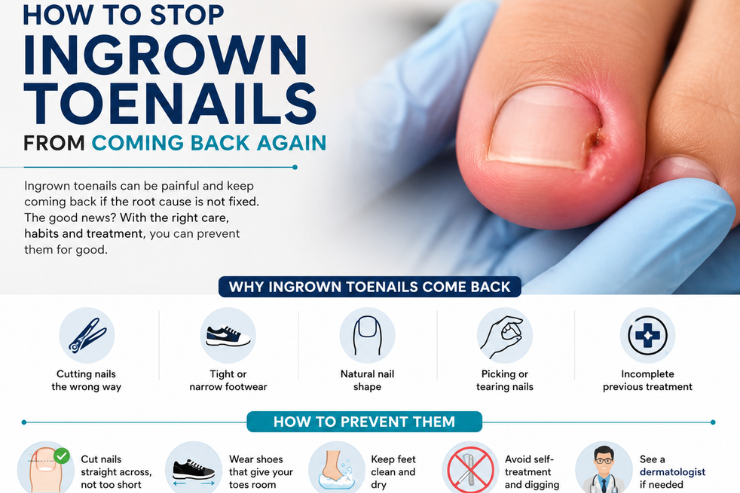
You treated it once. Maybe twice. And somehow - it is back.
That same throbbing pain near the corner of your toe. The redness. The tenderness that makes even wearing slippers uncomfortable.
Sounding familiar? you are not alone. Ingrown toenails are one of the most common nail problems people deal with and one of the most frustrating, because they keep returning.
The good news? They do not have to.
This blog will help you understand why ingrown toenails come back and more importantly how you can stop the cycle.
How to Identify an Ingrown Toenail?
Ingrown toenail is when the edge of your toenail grows into the skin beside it instead of over it.
This causes:
- Pain and tenderness along the side of the toe
- Redness and swelling around the nail
- Skin that feels warm to the touch
- Sometimes, a small amount of fluid or pus if it gets infected
It most commonly affects the big toe but it can happen to any toe.
Toe Problem But Which One Is It?
Many people confuse ingrown toenails with other toe problems. Here is how to tell them apart:
| Condition | What It Looks Like | Key Difference |
| Ingrown Toenail | Pain at nail edge, redness, swelling | Nail visibly growing into skin |
| Paronychia | Infection around the entire nail fold | Pus, swelling around whole nail, not just the edge |
| Blister | Fluid-filled bump near the toe | No nail involvement caused by friction or pressure |
| Fungal Nail | Thick, yellow, crumbly nail | Nail changes colour and texture, not painful at the edge |
| Gout | Sudden strong pain in the big toe joint | Intense joint pain, not related to the nail itself |
If you are unsure, a skin doctor in Kolkata can tell you exactly what is going on in one look, so you do not spend weeks treating the wrong thing.
Why Do Ingrown Toenails Keep Coming Back?
This is the question most patients ask and the answer usually comes down to habits and nail shape.
Here are the most common reasons:
- Cutting nails the wrong way: Cutting too short or rounding the corners encourages the nail to grow into the skin. This is the single most common cause of recurring ingrown toenails.
- Tight or narrow footwear: Shoes that squeeze the toes push the skin against the nail constantly, giving it nowhere to go but inward.
- Nail shape: Some people naturally have curved or fan-shaped nails. This makes them more prone to ingrown edges, regardless of how carefully they cut.
- Picking or tearing nails: Tearing the nail instead of cutting leaves uneven, jagged edges that can dig into the skin as the nail grows.
- Incomplete previous treatment: If the root cause was not addressed the first time, only the pain was managed, the nail simply grows back the same way.
How to Prevent Them From Coming Back
A little change in your daily habits can make a very big difference. Here is what genuinely helps:
Cut Your Nails the Right Way
- Always cut straight across, never curve the edges
- Do not cut too short, leave a small white tip visible
- Use clean, sharp nail clippers, never scissors or your fingers
- Cut after a shower when nails are softer and easier to manage
Choose Footwear That Gives Toes Room
- Avoid pointed shoes and very tight footwear daily
- Make sure there is enough space for your toes to sit naturally
- If you wear closed shoes for long hours, check the fit carefully
Keep Feet Clean and Dry
- Wash feet daily and dry them properly, especially between toes
- Moisture trapped around the nail can make the skin softer and more vulnerable
Do Not Self-Treat an Infected Nail
- Digging into the corner of the nail at home can worsen the problem
- Cotton stuffed under the nail or DIY cutting can introduce more bacteria
- If there is redness, swelling, or pus, see a dermatologist in Kolkata without delay
When Home Care Is Not Enough
Sometimes, no matter how carefully you care for your nails, the ingrown keeps returning. This happens when:
- The nail has a naturally curved shape that keeps growing inward
- The skin at the nail edge has thickened from repeated infections
- The nail was not properly treated the first or second time
- There is an underlying condition like diabetes that slows healing
In these cases, a simple in-clinic procedure called nail surgery in Kolkata is the most effective and lasting solution.
How to Treat Ingrown Toenails the Right Way
Many people try home remedies first like, warm water soaks, antiseptic creams, or cutting the nail differently. These can help in very mild, early cases.
But here is the truth, if the ingrown toenail is already infected, or if it has come back more than once, home care will only manage the discomfort temporarily. It will not stop the nail from growing back the same way.
This is where visiting a skin specialist in Kolkata makes all the difference. A proper assessment identifies the exact cause whether it is nail shape, cutting habit, footwear, or something else entirely. Treatment is then planned around that specific cause, not just the pain.
What Does Nail Surgery Actually Involve?
Many patients feel anxious when they hear "surgery" but nail surgery for ingrown toenails is a minor, quick procedure done right in the clinic.
Here is what typically happens:
- The toe is numbed with a local injection, you feel nothing after this
- The small problematic portion of the nail edge is carefully removed
- In recurring cases, the nail root at that edge is treated to prevent that part from growing back
- The whole thing takes around 15 to 30 minutes
- You walk out the same day and return to most activities within a day or two
The result is that particular nail edge simply does not grow back and cause trouble again.
No hospital stay. No general anaesthesia. Just lasting relief.
Recovery: What to Expect After Nail Surgery
Healing is straightforward for most patients:
- Day 1 to Day 3: Mild tenderness and slight swelling are normal. Keep the toe clean and dry.
- Day 4 to Day 7: Most of the tenderness settles. Dressing changes as advised by your doctor.
- Week 2 onwards: Most patients are back to normal footwear and activity comfortably.
Things to keep in mind during recovery:
- Avoid tight shoes for at least a week
- Keep the area dry and no swimming or soaking the foot
- Follow dressing and cleaning instructions carefully
- Attend your follow-up appointment
Listen What Your Nails Are Telling You
An ingrown toenail that keeps returning is not just bad luck. It is your body telling you that something in the way the nail is growing or the way it is being cared for and needs attention.
Left unaddressed, repeated ingrown toenails can lead to:
- Chronic infection that spreads to surrounding skin
- Thickened, deformed nail edges over time
- In diabetic patients, serious complications that are harder to treat
The longer you wait, the more difficult it becomes to manage and the more likely you are to need more extensive treatment.
Catching it early and treating it properly the first time is always the better choice.
Your Toe Deserves Proper Care
Ingrown toenails are common. But recurring ingrown toenails are a sign that home remedies and temporary fixes are no longer enough.
The right cut, the right shoes, and proper nail care can prevent many cases. But when the nail keeps coming back despite everything, a good skin doctor in Kolkata is the right person to see.
A proper assessment, a clear diagnosis, and the right treatment plan from a reliable skin treatment clinic in Kolkata can end the cycle completely, so you stop dreading every step.
If you are in Kolkata and looking for an experienced dermatologist for Nail Surgery, Dr. Oindrila Dutta is among the most trusted female dermatologists in Kolkata for nail surgery and dermatological care.
FAQs
1. Can an ingrown toenail heal on its own without treatment?
Mild ingrown toenails in the very early stage just tenderness, no infection may ease with proper soaking, correct nail cutting, and open footwear. However, if there is redness, swelling, pus, or the pain has lasted more than a few days, it will not heal on its own. Leaving an infected ingrown toenail untreated allows the infection to spread and makes treatment harder later.
2. Is nail surgery the only option for a recurring ingrown toenail?
Not always but it is often the most effective long-term solution when an ingrown toenail keeps returning. If the nail shape is naturally curved or the problem has recurred more than twice, treating only the pain will not stop it from coming back. A minor procedure to address the nail root at the problem edge is what stops the cycle permanently.
3. How much does nail surgery cost in Kolkata?
The cost of nail surgery in Kolkata varies depending on the severity of the condition, the number of nails being treated, and the clinic you visit. A consultation with a dermatologist will give you a clear, honest picture of what the procedure involves and what it will cost, specific to your situation. Transparency in pricing is something a good skin treatment clinic in Kolkata will always offer upfront.
4. How do I prepare for a toenail surgery consultation?
Come with clean feet and wear open or loose footwear on the day of your visit. Carry any previous treatment records or prescriptions if you have been treated before. Be ready to tell your doctor how long the problem has been occurring, how many times it has returned, and whether you have any health conditions like diabetes. This helps the dermatologist plan the right treatment for you from the very first visit.
5. I have diabetes, is nail surgery safe for me?
Diabetic patients are actually more strongly advised to see a dermatologist for ingrown toenails, not less. Because healing can be slower and infections can become more serious, trying to manage it at home carries real risk. Nail surgery performed by an experienced dermatologist in Kolkata is safe and is often the most recommended route for diabetic patients. Always inform your doctor about your condition before the procedure so your care can be planned accordingly.
Ready to Transform Your Skin Health?
Take the first step towards a radiant, healthy skin with expert care from Dr. Oindrilla Dutta. Book your consultation today and discover personalized solutions for all your dermatological needs!

Recent Post
-
 October 07, 2026
Skin Looking Dull & Dehydrated? Know What Skin Boosters Can Do
-
 September 28, 2026
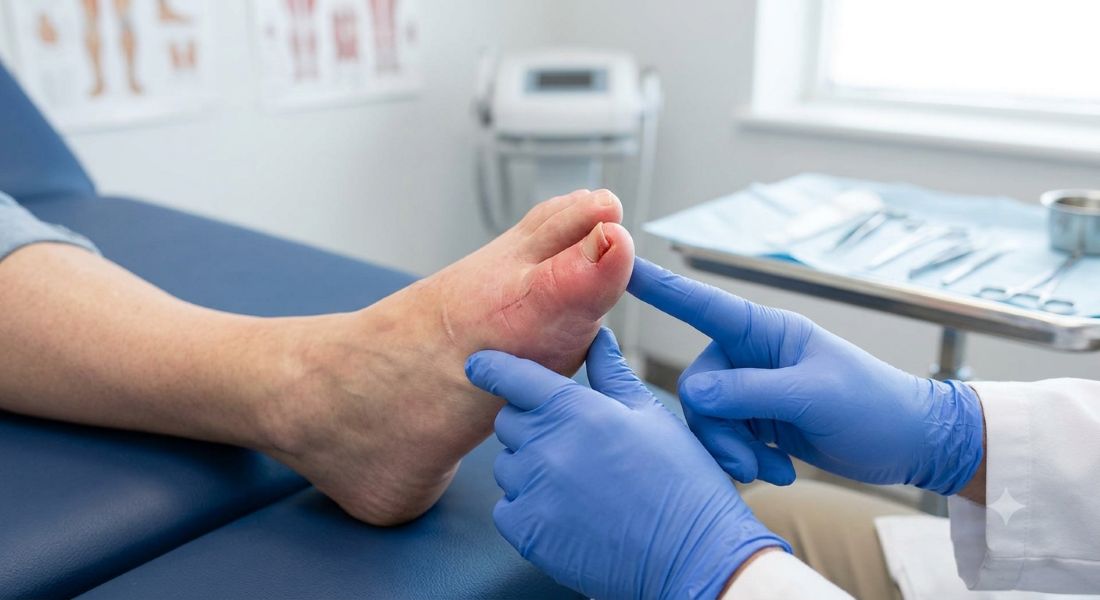
Why Does My Ingrown Toenail Keep Coming Back After Surgery?
-
 September 21, 2026
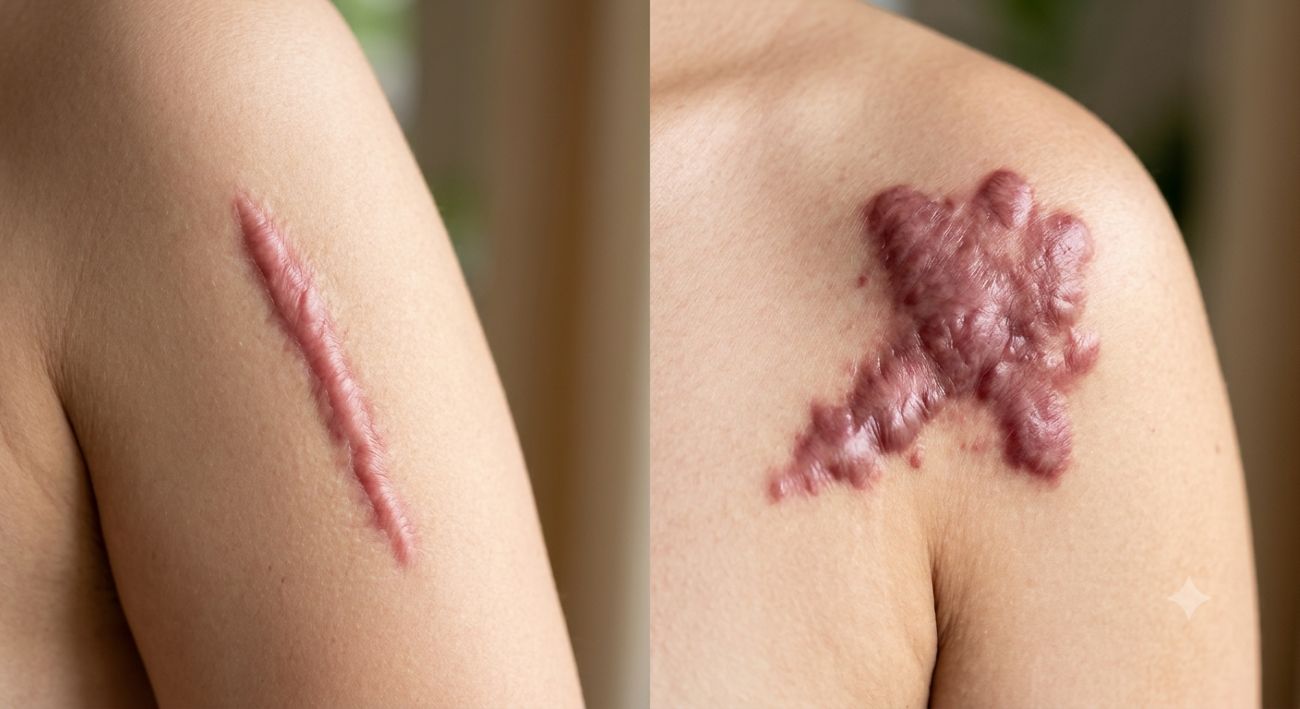
Not Every Raised Scar Is a Keloid: Know the Difference