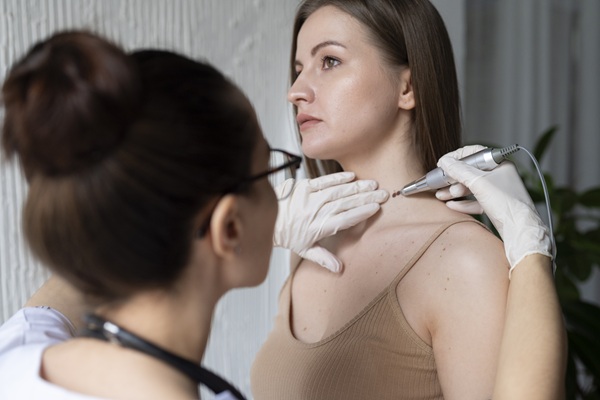
Skin tags often start as a small inconvenience. Over time, they can become uncomfortable, get caught on clothing, bleed, or simply cause worry about what they might mean. Many people delay care because they are unsure whether removal is necessary or safe. This is where skin tag removal in Kolkata becomes an important medical decision, not a cosmetic one.
Understanding when a skin tag is harmless and when it needs professional attention helps prevent unnecessary pain, scarring, and anxiety—while ensuring your skin stays healthy and protected.
What Are Skin Tags and Why Do They Form?
Skin tags are small, soft growths that hang off the skin. They often appear on the neck, underarms, eyelids, groin, or under the breasts.
They usually form due to:
- Friction between skin folds
- Hormonal changes
- Weight fluctuations
- Genetics
- Insulin resistance
Most people develop at least one skin tag in their lifetime. Many have several.
At a glance, they may look harmless. In most cases, they are. But not always.
Are Skin Tags Harmful?
In general, skin tags are benign. They do not spread or turn cancerous on their own.
However, problems arise when:
- They are misidentified
- They change in appearance
- They are removed incorrectly at home
This is why dermatologists advise caution instead of ignoring or cutting them off yourself.
When Are Skin Tags a Cause for Concern?
Not every skin tag needs removal. But some signs should prompt medical attention.
You should be cautious if you have a skin tag:
- Changes colour suddenly
- Grows rapidly
- Becomes painful or tender
- Bleeds without injury
- Develops a hard or uneven surface
These signs may not mean something serious, but they must be evaluated.
A Skin specialist in Kolkata can quickly assess whether it is truly a skin tag or something else.
Skin Tag Red Flags You Should Never Ignore
Here are warning signs dermatologists take seriously:
- Sudden increase in size
- Dark brown, black, or bluish colour
- Persistent bleeding
- Pain or ulceration
- Irregular shape or firmness
- Multiple new growths are appearing quickly
Ignoring these signs or trying home remedies can delay proper diagnosis.
Can Skin Tags Indicate Underlying Health Issues?
In some cases, yes.
Multiple or recurring skin tags may be associated with:
- Insulin resistance
- Diabetes
- Hormonal imbalance
- Metabolic syndrome
This does not mean skin tags cause these conditions. They may simply act as a skin signal.
A dermatologist may suggest a basic evaluation if skin tags are frequent or excessive.
Skin Tags vs Warts vs Moles — Why Self-Diagnosis Can Be Risky
Many people assume every small growth is a skin tag. That is risky.
Skin tags, warts, and moles can look similar but behave differently.
- Skin tags are soft and flesh-coloured
- Warts are caused by viruses and may spread
- Moles may carry a cancer risk if atypical
Cutting or burning the wrong lesion at home can cause:
- Heavy bleeding
- Infection
- Scarring
- Missed diagnosis
This is why a proper check at a skin treatment clinic in Kolkata matters.
When Should You See a Dermatologist for Skin Tags?
You should consult a dermatologist if:
- You are unsure what the growth is
- The skin tag is growing or changing
- It bleeds or hurts
- It is on the face, eyelids, or groin
- You want safe removal without scars
Even if the skin tag seems harmless, professional evaluation offers peace of mind.
Why Home Remedies for Skin Tags Are Unsafe
Home methods are widely shared online. Most are unsafe.
Common risks include:
- Excessive bleeding
- Infection
- Delayed healing
- Permanent scars
- Incomplete removal
Tying threads, cutting with blades, or using chemicals can seriously damage skin.
Dermatologists strongly advise against home removal.
Safe & Medical Skin Tag Removal Options in Kolkata
When done medically, skin tag removal treatment is quick, controlled, and safe.
At a qualified clinic, options may include:
Radiofrequency Removal
Uses controlled energy to remove the tag cleanly with minimal damage.
Electrocautery
Seals blood vessels while removing the growth, reducing bleeding risk.
Surgical Snip (When Indicated)
Used selectively for larger or specific skin tags under sterile conditions.
The method depends on size, location, and skin type.
At Dr. Oindrila Dutta’s clinic, removal is planned carefully to minimise marks and discomfort.
Should You Remove a Skin Tag Even If It’s Not Dangerous?
Not always.
Removal may be considered if:
- It gets repeatedly irritated
- It affects appearance or confidence
- It interferes with shaving or clothing
- It causes anxiety
If a skin tag is stable and symptom-free, removal is optional. The choice is personal.
A dermatologist can help you decide what is best for your skin.
When in Doubt, Get It Checked
Most skin tags are harmless. But guessing is never wise.
Changes in size, colour, or behaviour deserve attention. Safe removal is always better than risky shortcuts.
At Dr. Oindrila Dutta’s clinic in Kolkata, patients receive careful evaluation, honest guidance, and medical removal performed with compassion and precision.
If a skin tag is worrying you, a calm consultation can offer clarity and reassurance, without pressure.
FAQs:
Yes. When performed by a qualified dermatologist, skin tag removal is safe, precise, and done under controlled medical conditions.
A removed skin tag does not return, but new skin tags may develop over time due to friction, genetics, or underlying health factors.
Discomfort is usually minimal. Most patients tolerate the procedure well, and any sensation felt is brief and manageable.
In most cases, skin tag removal is completed in a single session, depending on the size, number, and location of the tags.
When done professionally by a dermatologist, the risk of scarring is very low, especially with proper aftercare and healing.
Ready to Transform Your Skin Health?
Take the first step towards a radiant, healthy skin with expert care from Dr. Oindrilla Dutta. Book your consultation today and discover personalized solutions for all your dermatological needs!

Recent Post
-
 10.08.2026
Does Melasma Get Worse During Monsoon?
-
-
 August 15,2026
Tried Everything for Dull Skin? Know What Exosomes Can Do