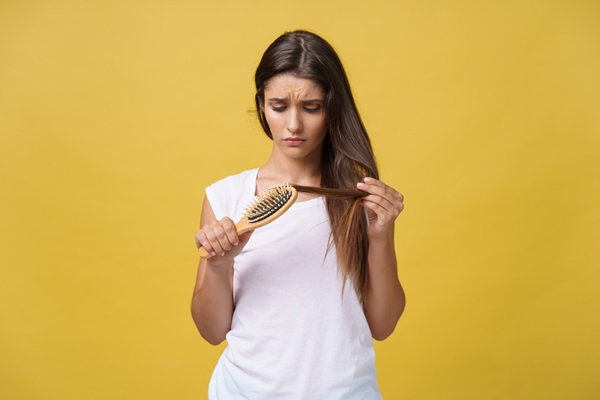
Noticing more hair on your pillow, wrapped around towel or hairbrush in your 20s, can be unsettling. Many of us still associate hair loss with aging, so when it starts early, it often brings confusion, anxiety, and self-blame. The truth is, hair fall in your 20s is far more common than most people realize, and in many cases, it is both explainable and manageable.
Understanding why it happens is the first step toward addressing it calmly and effectively. Let’s take a closer look at the real causes of hair fall in your 20s, what your hair may be trying to tell you, and how dermatologists approach —without unnecessary treatments.
Hair Fall in Your 20s: A Shared Experience, Not a Personal Failure
Hair shedding during your 20s is often misunderstood as something you “caused” by using the wrong shampoo, skipping oiling, or styling too much. While hair care habits matter, they are rarely the main reason.
In reality, the 20s are a period of intense physical and emotional change. Career pressure, academic stress, lifestyle shifts, hormonal fluctuations, and nutritional imbalances all intersect during this phase of life. Your hair follicles, which are sensitive to internal changes, often respond before other visible symptoms appear.
That’s why dermatologists in Kolkata increasingly see young girls seeking help for hair fall in their 20s— across different lifestyles.
Understanding the Hair Growth Cycle
Hair doesn’t grow continuously. Each strand goes through a natural cycle of growth, rest, and shedding.
At any given time, it’s normal to lose some hair daily. Problems arise when this balance is disturbed—when more hair enters the shedding phase than usual, or when new hair doesn’t grow back at the same pace.
This imbalance is often temporary, but identifying the trigger early makes recovery smoother and faster.
The Most Common Causes of Hair Fall in Your 20s
1. Stress and Emotional Overload
Chronic stress is one of the most common causes of hair loss in young adults. Tight deadlines, job uncertainty, exams, sleep deprivation, and emotional strain can push hair follicles into a resting phase prematurely.
This type of hair loss often shows up a few months after the stressful period, making it harder to connect the dots. The good news is that stress-related hair fall is usually reversible once the underlying stress is addressed.
2. Hormonal Changes and PCOS
Hormones play a significant role in hair health, especially for women. Conditions like PCOS can disrupt the balance between growth-promoting and growth-suppressing hormones. This may lead to increased hair fall, thinning at the crown, or widening of the temple area.
Even subtle hormonal shifts—such as those caused by irregular sleep, weight changes, or stopping birth control—can affect hair growth patterns.
3. Nutritional Gaps and Dieting Patterns
Hair is a non-essential tissue. When your body lacks nutrients like iron, protein, or certain vitamins, it redirects resources to vital organs first. This makes hair one of the earliest places where deficiency shows up.
Crash dieting, skipping meals, restrictive food choices, or inconsistent eating habits can all contribute to hair fall in your 20s. Often, people don’t realize the link until hair shedding becomes noticeable.
4. Illness, Fever, or Post-Viral Hair Fall
Hair fall following an illness—even a mild one—can surprise many people. High fever, infections, or significant physical stress can temporarily shock the hair cycle, leading to sudden shedding weeks later.
This kind of hair fall can feel dramatic, but it is usually temporary and self-correcting with time and proper care.
5. Genetics and Early Pattern Thinning
For some, genetics play a role earlier than expected. If there is a family history of thinning hair, signs may begin in the 20s. This doesn’t always mean permanent loss, but it does mean that early attention matters.
Recognizing genetic tendencies early allows dermatologists to focus on slowing progression and preserving existing hair.
When Hair Fall Becomes a Signal, Not Just a Symptom
Hair fall is often your body’s way of speaking about the impacting imbalance. Instead of seeing it as an isolated cosmetic issue, we dermatologists view it as a clue—something that invites a closer look at overall health, habits, and internal stressors.
This perspective shifts the conversation from panic to problem-solving.
What Dermatologists in Kolkata for Hair Focus On
When you consult a dermatologist in Kolkata or anywhere else for hair fall in your 20s, the goal is not to rush into aggressive treatments. Instead, the focus is on understanding why your hair is shedding and what support it needs to recover.
- Your recent stress levels and lifestyle changes
- Menstrual regularity and hormonal health
- Diet, weight fluctuations, and nutrient intake
- Family history of hair thinning
- Scalp health and hair density patterns
This holistic approach helps differentiate between temporary shedding and early thinning patterns that benefit from timely care.
Early Intervention: Why Timing Makes a Difference
Hair follicles respond best when cared for early. Addressing hair fall in your 20s doesn’t mean committing to lifelong treatments—it often means correcting the root cause before hair thinning becomes more intense.
Early intervention may include:
- Restoring nutritional balance through diet and supplements
- Managing stress and improving sleep patterns
- Treating scalp conditions like dandruff or inflammation
- Supporting regrowth with dermatologist-recommended topical solutions
In some cases, procedures like PRP or medically formulated growth serums may be considered, but only when appropriate and after simpler measures are addressed. These are supportive factors, not quick fixes.
Reassurance Matters More Than You Think
One of the most overlooked aspects of hair fall treatment is reassurance. Fear and misinformation can worsen stress, which in turn affects hair recovery.
Most causes of hair fall in your 20s are not permanent. With the right guidance, patience, and consistent care, hair often regains its strength and density over time.
Understand what is happening and what to realistically expect.
When Should You Seek Professional Advice?
If hair fall is sudden, excessive, or accompanied by thinning in specific areas, it’s worth consulting a dermatologist. Early guidance can prevent unnecessary worry and help you avoid experimenting with random remedies that may do more harm than good.
See a dermatologist in Kolkata to understand your hair and scalp health — instead of getting overwhelmed.
A Calm Way Forward
Hair fall in your 20s doesn’t define your health, attractiveness, or future. It’s often a temporary phase—one that reflects how your body is responding to stress, lifestyle, or internal changes.
By approaching hair fall with curiosity rather than fear, and by seeking evidence-based guidance when needed, you give your hair the best chance to recover naturally.
Your hair isn’t failing you. It’s communicating with you. And when you listen to the call timely, the path forward is usually far simpler than it seems.
Got concerns? Connect with me for your dermatological needs in Kolkata. Let’s make your hair care stress-free together!
A Few FAQs Answered that May Help You!
Yes. Many people notice increased hair fall during seasonal changes, especially late monsoon or early winter. This is usually temporary and settles as the hair growth cycle stabilizes.
No. Washing doesn’t cause hair fall—it reveals hairs that were already shedding. Using a gentle shampoo and washing as needed actually helps maintain scalp health and reduce breakage.
Constant tight hairstyles can strain hair roots over time, especially near the hairline. Looser styles and varying your parting help reduce long-term stress on follicles.
Yes. Mild dandruff or scalp buildup can disrupt the scalp environment and weaken hair roots, sometimes without obvious itching. Treating scalp health often improves hair strength.
Hair growth is slow. Reduced shedding may be noticed within weeks, but visible regrowth often takes three to six months with consistent care and patience.
Ready to Transform Your Skin Health?
Take the first step towards a radiant, healthy skin with expert care from Dr. Oindrilla Dutta. Book your consultation today and discover personalized solutions for all your dermatological needs!

Recent Post
-
 October 07, 2026
Skin Looking Dull & Dehydrated? Know What Skin Boosters Can Do
-
 September 28, 2026
Why Does My Ingrown Toenail Keep Coming Back After Surgery?
-
 September 21, 2026
Not Every Raised Scar Is a Keloid: Know the Difference