Healthy Nails Matter More Than Looks
Did You Know? Nails can reflect deeper skin or health conditions like psoriasis, infections, or iron deficiency—and take up to a year to grow back fully after injury or surgery.
Nail discomfort isn’t always minor. A recurring ingrown nail, a thickened or discoloured toenail, or a painful nail bed infection can affect your comfort, confidence, and daily activities. From avoiding certain shoes to hiding your hands in public, these issues are often more than skin-deep.
Nail surgery, though minimally invasive, offers lasting relief from nail conditions that don’t respond well to medications or home care.
"From wearing shoes to shaking hands, your nails do more than you think. Painful, infected, or misshapen nails aren't just cosmetic concerns—it requires dermatological care."
What Is Nail Surgery, and When Do You Need It?
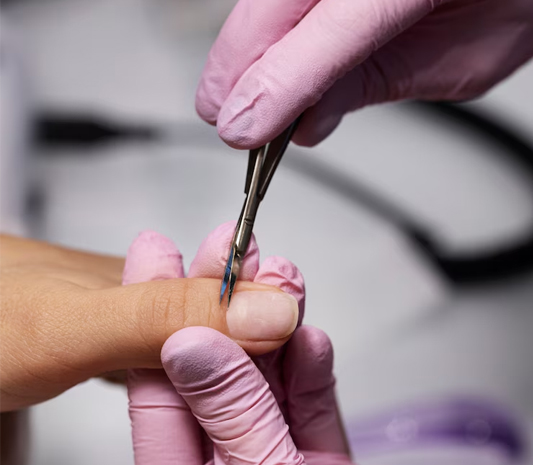
Nail surgery is a minor, in-clinic procedure performed under local anaesthesia. It focuses on treating nail problems that are painful, persistent, or affecting your daily quality of life. Dermatologists perform nail surgery not only to remove or reshape the nail but also to treat the underlying condition and prevent future issues.
You may benefit from nail surgery if you experience:
- Ingrown toenails that cause repeated pain or swelling
- Thickened or damaged nails due to fungal infections or trauma
- Nail bed infections that keep coming back
- Persistent discolouration or deformity in nails
- Abnormal growths or suspected nail tumours
By removing the affected part of the nail or treating the nail bed, dermatologists offer effective, low-risk solutions tailored to your condition.
Ready to Transform Your Skin Health?
Take the first step toward a radiant, healthy skin with expert care from the best dermatologist in Kolkata, Dr. Oindrila Dutta. Book your consultation today and discover personalized solutions for all your dermatological needs!