Dermatologist Near Park Street

Park Street

Dermatologist Near Park Street for Skin, Hair & Aesthetic Care

Skin and hair concerns often get pushed aside in the middle of a working day or a packed academic schedule, until acne, pigmentation, or dull skin become hard to ignore. Many patients wait months before seeking care, either because they are unsure whom to consult or because fitting in appointments feels difficult alongside daily commitments.

As a Consultant Dermatologist near Park Street, I often come across such a patient dilemma. Most people want clear, unhurried guidance on what is actually happening with their skin or hair, without it disrupting their routine and I believe any treatment plan should follow a personalised assessment and not any random medication.

This page explains the concerns treated most often, along with how consultations are structured. As always, individual results may vary, and any treatment plan should follow a personalised assessment with your treating doctor.
Convenient Access for Central Kolkata Patients

As Park Street sits at the centre of a well-connected part of the city, patients from Park Circus, Dharmatala, Sealdah, College Street, Ballygunge, Rash Behari, and even Shyambazar often prefer a dermatologist based in this zone. Many are working professionals fitting appointments around office hours, or students managing acne or hair concerns alongside their studies.

For this group, the biggest friction is usually not the treatment itself but the logistics around it, finding time for a first consultation, then returning for review or a follow-up session without losing a full day becomes of great importance. Being centrally located helps patients from across these areas plan visits between commutes, lunch breaks, or college hours, which matters especially for treatments that need more than one sitting.

Common Skin, Hair & Aesthetic Concerns Treated


Patients walking in from across South Kolkata usually come in with one or more of the following concerns:

Cosmetic & Injectable Treatments

When to consider it: For skin that looks dull, tired, or is showing early signs of ageing, especially when regular skincare and facials aren’t giving the glow you’re looking for.

How it’s done: The skin is first prepared, often through microneedling, to create tiny channels. Exosomes — particles carrying growth factors and proteins that support the skin’s own repair signalling — are then applied or injected, often alongside microneedling or laser sessions.

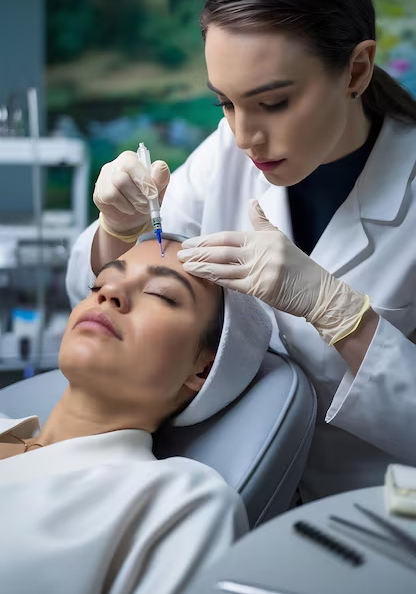
When to consider them: Botox is considered for expression lines such as forehead creases, crow’s feet, or frown lines. Fillers are considered when cheeks, lips, or under-eyes have lost volume or fullness.

Types: Fillers come in a few forms — hyaluronic acid-based (the most common, moisture-binding type), calcium-based, and collagen-stimulating fillers — each suited to different areas and goals.

How they’re done: Botox is injected to temporarily relax specific facial muscles, softening the lines they create. Fillers are injected beneath the skin to restore lost volume. Both are quick, in-clinic procedures, with dosage and placement planned around facial structure and movement.

When to consider it: For oily or acne-prone skin, blackheads, enlarged pores, dullness, or mild acne marks, especially when a quick refresh is wanted with no downtime.

How it’s done: A layer of medical-grade liquid carbon is applied to the skin. Once it settles into the pores, a laser is passed over it, targeting and lifting the carbon along with trapped oil and dead skin, while also stimulating collagen.

When to consider it: For early sagging, softening jawline definition, neck laxity, or skin that has started losing firmness, in patients not looking for a surgical option.

How it’s done: Focused ultrasound energy is directed beneath the skin’s surface to the deeper tissue layer, generating controlled heat that triggers the skin’s own collagen-building response over time. The treatment is needle-free, with no cuts involved.

When to consider it: For uneven skin tone, acne marks, tanning, sun damage, persistent dullness, enlarged pores, or mild melasma that hasn’t improved with topical skincare.

How it’s done: Low-fluence Q-switched Nd:YAG laser energy targets melanin clusters beneath the skin’s surface without damaging it, while also stimulating collagen remodelling. It’s non-ablative, meaning there’s no peeling or open wound involved.

Skin & Acne Treatments

When to consider it: For dull or uneven tone, rough texture, fine lines, enlarged pores, acne marks, or a general loss of skin vitality that hasn’t responded to regular skincare.

Types: Depending on the concern, this can draw on laser treatments, chemical peels, PRP therapy, or microdermabrasion, chosen individually rather than as one fixed combination.

How it’s done: Your specific concern is assessed first, then one or a mix of the above techniques is recommended, each working at a different level of the skin.

When to consider it: For active breakouts or recurring acne that needs clinical evaluation, and separately, for marks or scarring left behind once breakouts are under control.

How it’s done: Active acne is managed through clinical assessment to identify the trigger, followed by topical or in-clinic treatment. Scarring is addressed separately, often through techniques such as microneedling or laser resurfacing, chosen based on scar depth and type.

When to consider it: For patches that have remained stable for at least 12 months and haven’t responded to creams or phototherapy.

How it’s done: Healthy, pigment-producing cells (melanocytes) are transplanted from an unaffected part of the body to the depigmented patch, gradually restoring a blended skin tone over time.

When to consider it: When a mole or skin tag causes irritation from rubbing against clothing or jewellery, affects comfort or confidence, or shows a change in size, shape, or colour.

Types: Removal methods include cryotherapy, electrocautery, and laser ablation, chosen based on the growth’s type, size, and location.

How it’s done: The growth is assessed first, then removed using the most suitable method above, targeting it at the base to reduce the chance of it returning.

When to consider it: For recurring ingrown toenails, thickened or fungal-damaged nails, persistent nail bed infections, or nail deformities that haven’t improved with medication or home care.

How it’s done: Performed as a minor in-clinic procedure under local anaesthesia, it involves removing the affected part of the nail or treating the nail bed directly to relieve pain and reduce recurrence.

When to consider it: For patches of pigmentation that are darker or more resistant than general tanning, and that tend to worsen with sun exposure.

How it’s managed: Melasma is treated by combining consistent sun protection with treatments such as laser toning or chemical peels, adjusted gradually since overly aggressive treatment can sometimes worsen melasma. Consistency across sessions matters more than any single technique.

Aesthetic treatments are planned around your skin type, work schedule, and downtime tolerance, since many patients in this area need to return to work soon after a procedure. Suitability is confirmed during consultation, not assumed in advance.

Why Consultation Matters


Consult For Personalised Care Near Park Street

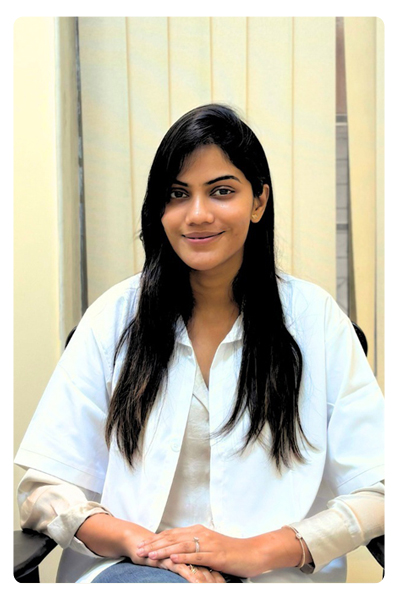
If you are managing adult acne, pigmentation, hair thinning, or are exploring aesthetic treatments like Botox, fillers, or laser toning, you can consult Dr. Oindrila Dutta, Consultant Dermatologist and Dermatosurgeon, for a personalised assessment. Treatment options, expected timelines, and indicative costs are discussed in detail during the consultation, since these depend on the extent of the concern and the approach chosen.

Book an Appointment
Dr. Oindrila Dutta

Author

Dr. Oindrila Dutta

Consultant Dermatologist and Dermatosurgeon

  • MBBS (Gold Medalist)
  • MD in Dermatology
  • International Fellowship in Aesthetic & Laser Dermatology (DIAS, ASI-Australia)

Frequently Asked Questions

Yes, appointments near Park Street are structured to allow a proper first assessment without requiring multiple long visits, which works well for working professionals with limited free time.

Adult acne can be linked to stress, hormonal changes, or irregular routines common in working life. Treatment is decided after examination and may include topical care, in-clinic procedures, or both. Individual results may vary.

The distinction is in focus, not qualification. Cosmetic dermatology addresses aesthetic concerns such as fine lines or skin texture, while general dermatology covers medical skin and hair conditions. Both require the same diagnostic approach before any treatment is suggested.

Disclaimer: This content is for general educational purposes only and does not constitute medical advice. Outcomes vary between individuals. Please consult your treating doctor for a personalised assessment before starting any treatment.