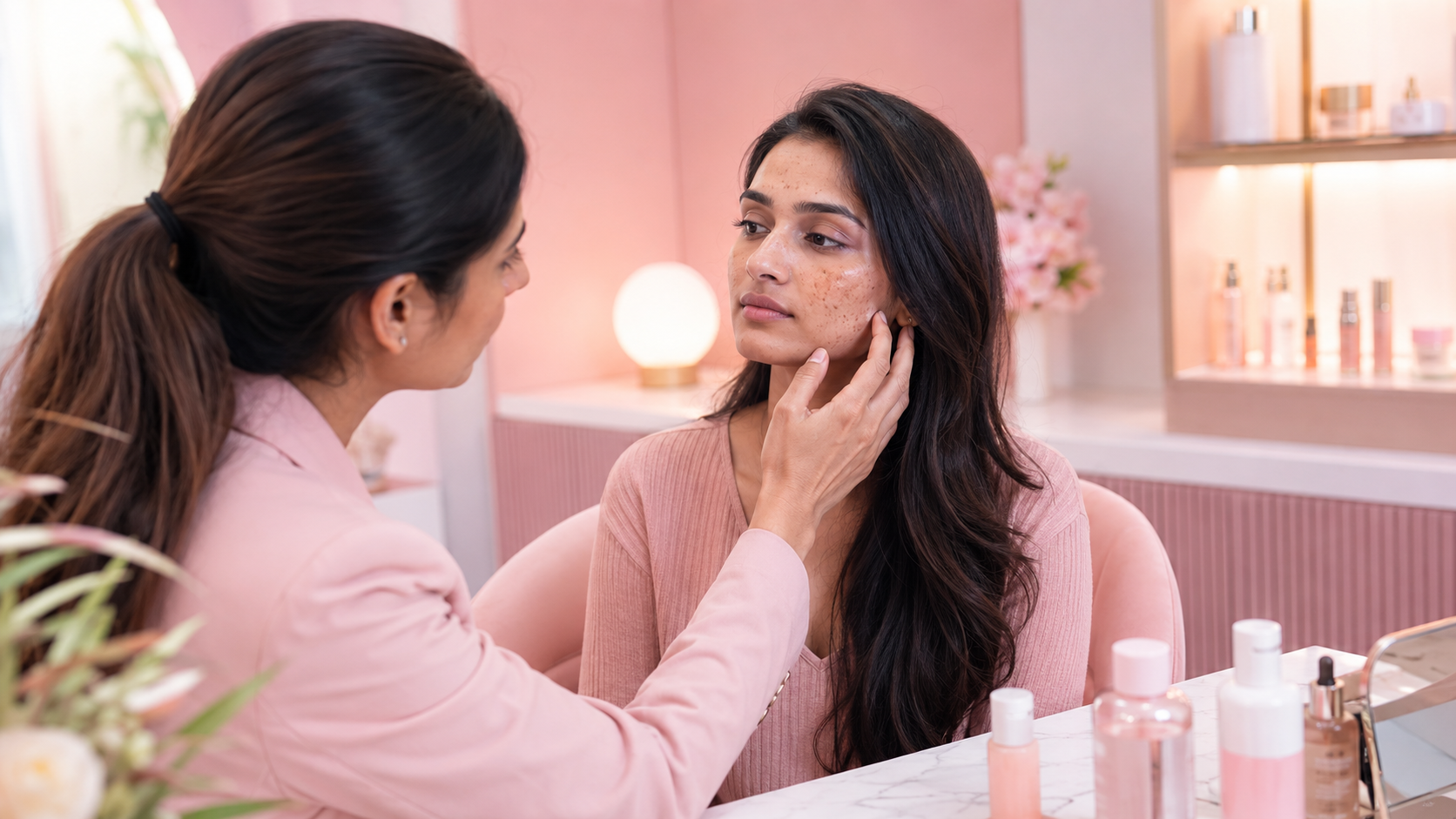
Clear, healthy skin has become a major focus for young adults today. However, despite the growing popularity of skincare products and beauty routines, concerns like uneven skin tone, dark patches, tanning, and pigmentation are becoming increasingly common. Many people assume that pigmentation is caused only by sun exposure, but dermatologists now explain that the reasons go far beyond sunlight alone.
Modern lifestyles expose the skin to constant stress every single day. Pollution, excessive screen exposure, hormonal fluctuations, stress, lack of sleep, unhealthy diets, and improper skincare practices all contribute to pigmentation issues. In many cases, people unintentionally worsen the condition by experimenting with harsh products, steroid creams, or trending home remedies without understanding their skin type.
Understanding Skin Pigmentation
Skin pigmentation refers to the coloring of the skin caused by melanin production. When melanin production becomes uneven or excessive in certain areas, dark spots and patches begin to appear. Pigmentation can affect people of all skin types and ages, but it has become especially common among young adults due to environmental and lifestyle-related factors. Today, dermatology treatments focus less on temporary skin lightening and more on identifying the root cause of pigmentation. This approach helps achieve healthier, long-lasting results while protecting the skin barrier from further damage.
Not all pigmentation looks the same, and not every condition requires the same treatment. Some of the most common forms include:
- Acne marks
- Sun tanning
- Melasma
- Dark circles
- Post-inflammatory pigmentation
- Uneven patches caused by irritation or allergies
Each type of pigmentation develops differently and responds to different treatment methods. What works for acne scars may not be suitable for melasma or sun-induced pigmentation.
1. Increased Exposure to Pollution and UV Rays
Daily exposure to pollution, dust, smoke, and UV rays weakens the skin barrier and increases pigmentation over time. Lack of proper sun protection can further lead to tanning and long-term skin damage.
2. Stress and Hormonal Imbalances
Stress and hormonal changes can trigger inflammation and excess melanin production, leading to uneven skin tone, melasma, and pigmentation issues.
3. Overuse of Harsh Skincare Products
Using strong exfoliants, steroid creams, or DIY remedies can damage the skin barrier. This often causes irritation, sensitivity, and worsening pigmentation.
4. Acne and Skin Inflammation
Acne and skin irritation can leave behind dark spots and post-inflammatory pigmentation, especially when breakouts are picked or treated aggressively.
The Problem With Quick-Fix Whitening Trends
The rise of beauty filters and “glass skin” trends on social media has created unrealistic expectations around flawless skin. Many people now seek instant brightening solutions instead of focusing on long-term skin health.
Modern Pigmentation Treatments Focus on Skin Health
Dermatology treatments today are more advanced, targeted, and science-backed than ever before. Rather than simply lightening the skin temporarily, modern treatments aim to improve overall skin health and repair the underlying causes of pigmentation.
Depending on the skin condition, treatment plans may include:
Chemical Peels: Chemical peels help remove damaged skin cells and improve skin texture, tone, and brightness gradually.
Laser Toning: Laser toning treatments target excess pigmentation and help reduce stubborn dark patches with precision.
Medical-Grade Skincare: Dermatologist-recommended products help restore the skin barrier while safely treating pigmentation concerns.
Barrier Repair Treatments
Hydration-focused treatments help strengthen the skin barrier and reduce inflammation.
Sun Protection Routines
Daily sunscreen use remains one of the most important steps in preventing further pigmentation and protecting treatment results.
The goal is usually gradual, healthy improvement rather than unrealistic overnight transformation.
Prevention Is Just as Important as Treatment
Pigmentation often returns when skincare maintenance is ignored. Preventing further skin damage is equally important as treating existing pigmentation.
Simple daily habits can make a major difference, including:
- Applying sunscreen every day
- Staying hydrated
- Using gentle skincare products
- Avoiding excessive exfoliation
- Maintaining a healthy sleep schedule
- Managing stress levels
- Seeking professional advice before trying new treatments
Consistency is one of the most important factors in maintaining healthy skin.
Healthy Skin Is About Balance, Not Perfection
There is no such thing as perfect skin, and healthy skin should take precedence above unattainable beauty ideals. With altered photos and quick outcomes, social media trends frequently lead to misleading expectations. Long-term skin damage can be avoided by being aware of pigmentation early on and getting the care you need. Consistency, balance, and self-care are the keys to healthy skin; it doesn't happen overnight.
Ready to Transform Your Skin Health?
Take the first step towards a radiant, healthy skin with expert care from Dr. Oindrilla Dutta. Book your consultation today and discover personalized solutions for all your dermatological needs!

Recent Post
-
 10.08.2026
Does Melasma Get Worse During Monsoon?
-
-
 August 15,2026
Tried Everything for Dull Skin? Know What Exosomes Can Do